Table of contents
Airlines keep tightening baggage rules, train operators push new cabin-size limits, and even road-trippers are learning that excess gear slows everything down, from airport security lines to the last mile on foot. Packing light is no longer a minimalist flex, it is an efficiency strategy, and travelers who master it often spend less, move faster, and enjoy more spontaneity. The overlooked part is not the suitcase, it is the small, smart tools that quietly remove friction, reduce stress, and make a lightweight setup feel surprisingly comfortable.
When grams become minutes at the airport
Ask frequent flyers what “packing light” really buys you, and the answer is rarely aesthetic; it is time. A lighter, simpler carry-on speeds up check-in decisions, keeps you out of the oversized-bag queue, and reduces the odds of a forced gate-check that can derail tight connections. The logic is borne out by how airlines price and police weight, with major carriers routinely charging for checked luggage, while low-cost operators across Europe and elsewhere have built entire revenue models around strict cabin baggage allowances, meaning a few extra kilograms can translate into a surprise fee at the gate. Travelers feel it most on multi-leg itineraries: one delay, one missed connection, and suddenly a bag you cannot keep with you becomes a liability.
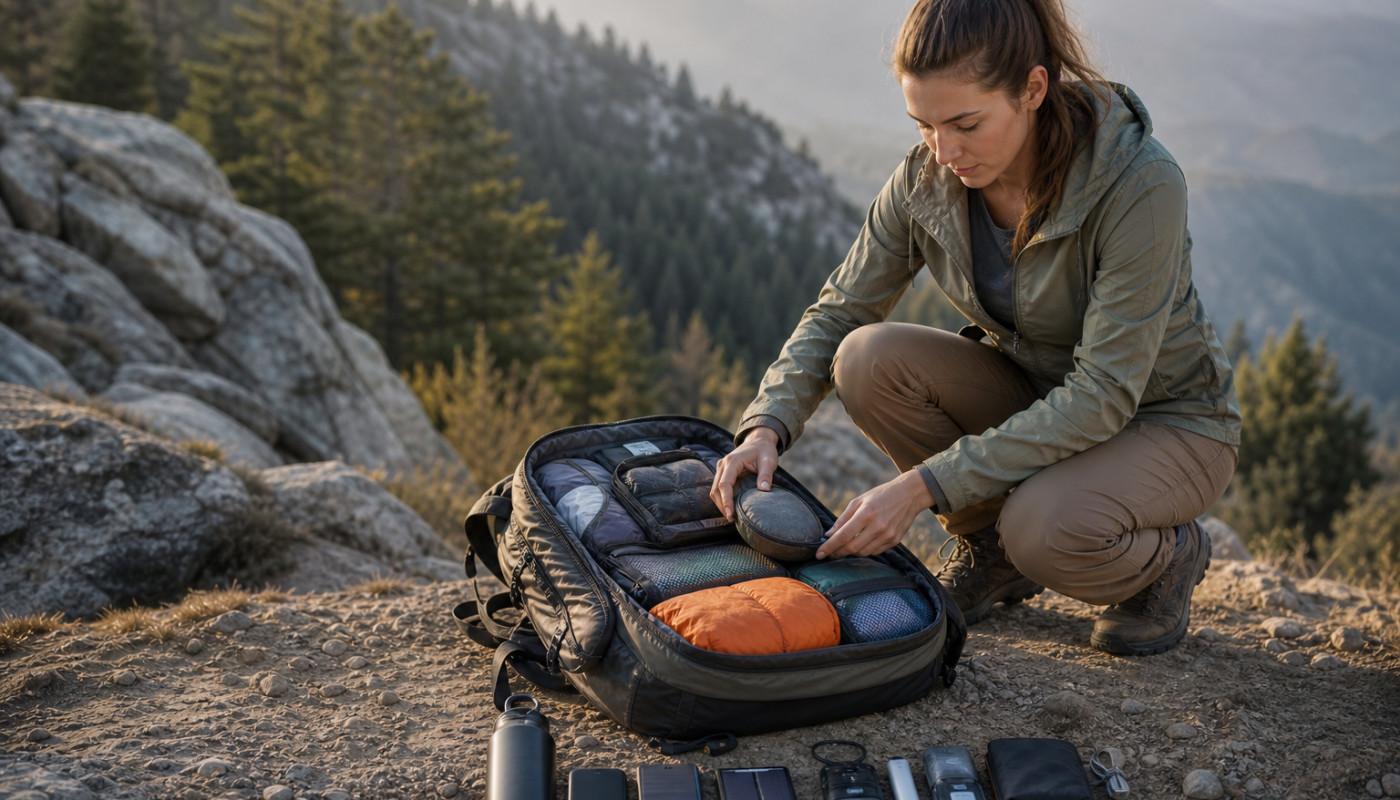
The underrated tools here are not glamorous, but they are decisive. A digital luggage scale, for instance, is a small device that can prevent an expensive mistake, especially when your return trip includes gifts, heavier toiletries, or wet clothing. Compression packing cubes are similarly unflashy, yet they create a system: clean clothes stay separated from worn items, quick-access layers are visible, and you avoid the ritual of unpacking half your bag just to find socks. Even a basic foldable tote or packable day bag pays for itself when you need overflow capacity between hotel and airport, while still fitting in your main bag during transit.
What changes the experience most is embracing weight discipline as a workflow. Travelers who weigh their bag the night before, keep a “security pouch” for liquids and electronics, and reserve one accessible layer for temperature swings tend to pass through checkpoints with fewer stops. The point is not austerity; it is reliability. When you can lift your bag comfortably into an overhead bin, or carry it up stairs without searching for an elevator, you keep control over your itinerary, and control is what turns a stressful travel day into a smooth one.
The small gear that saves big days
Which items actually rescue a trip when something goes wrong? Not the third pair of shoes. Not the “just in case” outfit that never gets worn. The real heroes are compact tools that prevent minor annoyances from becoming day-ruiners, and they tend to weigh very little compared with the convenience they deliver. A universal travel adapter with multiple ports, for example, is less about plugging in and more about reducing friction: one device can charge your phone, earbuds, and power bank overnight, and it can spare you the hunt for an overpriced adapter in a tourist zone.
A power bank is now close to essential, but the underrated move is choosing one that balances capacity with weight and airline rules. Many aviation authorities limit spare lithium batteries in checked baggage, and most airlines require them in carry-on, so a compact, reliable model matters. Pair it with short, durable cables, ideally in a small organizer, and you avoid the daily tangle that turns a five-minute café stop into a troubleshooting session. Add a tiny multi-port wall charger, and you can turn a single outlet into a charging station, which is priceless in older hotels, crowded hostels, and airports where sockets are scarce and competition is real.
Health and comfort tools belong in this category too, because they can prevent a small problem from hijacking the agenda. A lightweight reusable water bottle, especially one that collapses or packs flat, saves money and keeps you hydrated through long museum days and transit stretches, and a few basic medications and blister care strips can spare you an urgent pharmacy run in a language you may not speak. The same goes for a compact laundry kit: a small detergent sheet pack and a travel clothesline can turn a sink into a reset button, reducing the amount of clothing you need to carry, and buying you time when weather or schedules make laundry services inconvenient.
The common thread is risk management. Smart travelers pack for failure points, not for fantasy scenarios. Phones die, socks get wet, outlets disappear, and minor foot pain can quietly destroy a walking-heavy city break. If you solve those issues with a handful of compact tools, you make the rest of your bag lighter because you stop overpacking “backup” items that never perform as well as purpose-built gear.
Digital tools: the lightest packing hack
Can you pack lighter without buying anything? Yes, and the most effective method is digital, because software does not add grams. Offline maps, translation packs, and document vaults reduce the need for paper printouts, guidebooks, and even some specialized gadgets. Downloading city maps in advance can save you when roaming is expensive or signals are weak, and it helps you keep moving without standing on a corner, phone held high, waiting for a connection. A translation app with offline language data can be the difference between quickly understanding a pharmacy label and guessing, and that matters when your schedule is tight or you are tired.
Travel documents are another place where organization pays. Keeping passport scans, insurance details, and booking confirmations in a secure password manager, plus a secondary offline copy stored safely, reduces panic when a device is lost or a wallet goes missing. It also speeds up practical moments that consume time: hotel check-ins, car rental counters, and ticket inspections. Many travelers now use eSIMs to avoid carrying multiple physical SIM cards, and while the setup can be confusing at first, it often reduces costs and eliminates a common headache, searching for a shop after landing, while your phone has no data and your directions are trapped behind a loading screen.
Planning tools can also reduce what you feel compelled to pack. A weather app with hour-by-hour precipitation, a transit app that shows delays and platform changes, and a booking platform that keeps cancellation rules clearly visible can prevent overpacking for imagined conditions. If you know a cold snap is only two evenings, you might bring a compact insulating layer rather than a bulky coat. If you can see that a ferry is delayed, you might keep a packable rain shell within reach rather than digging through your bag at the worst moment.
For travelers who want to build itineraries that stay flexible, specialized destination resources can help you choose what to bring and what to leave at home. For example, if you are planning a trip around fjords, city walks, and variable weather, browsing https://www.bergen-trip.com/ can clarify what the local conditions and typical day plans look like, which in turn makes it easier to pack the right layers, shoes, and small essentials, instead of defaulting to “more of everything.” The smartest bag is often the one informed by good prep, not by extra stuff.
The carry-on mindset that changes everything
Here is the uncomfortable question: are you packing for the trip, or for your anxiety? Most overpacked bags are not built on needs, they are built on fear of inconvenience. The carry-on mindset flips that, and it starts with a simple rule: every item must earn its place by doing more than one job, or by solving a problem that is likely, not hypothetical. A lightweight mid-layer that works for chilly evenings and air-conditioned trains is more valuable than a heavy sweater worn once. Shoes that handle cobblestones and light rain can replace a second pair that looks nice but hurts after an hour.
This approach also changes how you choose your bag. A soft-sided carry-on or travel backpack that fits strict dimensions, with a comfortable harness and easy-access pockets, often performs better than a rigid suitcase when you face stairs, uneven sidewalks, and crowded public transport. Inside, the system matters more than the container: packing cubes for structure, a small pouch for chargers and adapters, and a dedicated spot for liquids make the bag predictable, and predictability reduces the urge to bring duplicates “just in case.”
Clothing strategy is where most weight is either saved or wasted. A compact capsule wardrobe built around neutral colors, quick-drying fabrics, and layers that combine easily can cut volume dramatically. Travelers who commit to doing one mid-trip laundry, whether in a machine or in a sink, routinely reduce their clothing load by a third, and that reduction cascades into other benefits: a smaller bag, fewer checked-bag fees, faster morning routines, and less time spent managing possessions. Even toiletries can be streamlined with solid formats, refillable containers, and a strict ban on carrying full-size bottles unless absolutely necessary.
What makes the carry-on mindset sustainable is that it improves your days on the ground. You walk more comfortably, you choose stairs without thinking, and you can pivot when plans change, because you are not tethered to a heavy case that dictates your route. Packing light is not about deprivation, it is about keeping your energy for the reason you traveled in the first place: the streets, the people, the landscape, and the unexpected moments you cannot schedule.
Before you leave: budget, bookings, backup
Reserve transport and key visits early when prices surge, then set a clear baggage budget, including potential fees for weight and cabin size. Use local transit passes where they save money, and check whether museums or city cards offer discounts. Finally, keep a digital and paper backup of essential documents, and pack one compact contingency kit, so you stay light without feeling exposed.
Similar

Is Spontaneity The Best Tool For Discovering New Activities?

Are Spontaneous Excursions The Secret To Authentic Experiences?

How Do Hidden Villages Shape Unforgettable Travel Itineraries?

Unexpected Connections: Destinations That Inspire Curious Explorers

Beyond The Bucket List: Crafting A Personal Circuit With Local Gems

Unpacking The Invisible: Overlooked Tips Every Itinerary Should Include
