Table of contents
Last-minute plans have become a defining feature of post-pandemic leisure, as people juggle hybrid work, rising living costs, and a growing appetite for experiences that feel personal rather than pre-packaged. Yet a question sits behind the trend: does spontaneity genuinely help us discover new activities, or does it simply push us toward whatever is easiest to book? With cities marketing “what’s on tonight” culture and apps nudging quick decisions, the real story is how unplanned choices reshape where we go, what we try, and whether those discoveries actually stick.
Spontaneous plans feel free, but are they?
Who doesn’t love a sudden yes? The appeal is obvious: spontaneity cuts through overthinking, reduces the friction of planning, and often delivers the small adrenaline hit that makes an ordinary week feel wider. Behavioral researchers have long noted that too many options can paralyze decision-making, and leisure is now saturated with choices, from pop-up events to fitness studios and one-off workshops. In that context, acting quickly can be a practical response, a way to escape “analysis paralysis” and reclaim time that would otherwise be lost to comparing reviews, scrolling listings, and negotiating calendars.
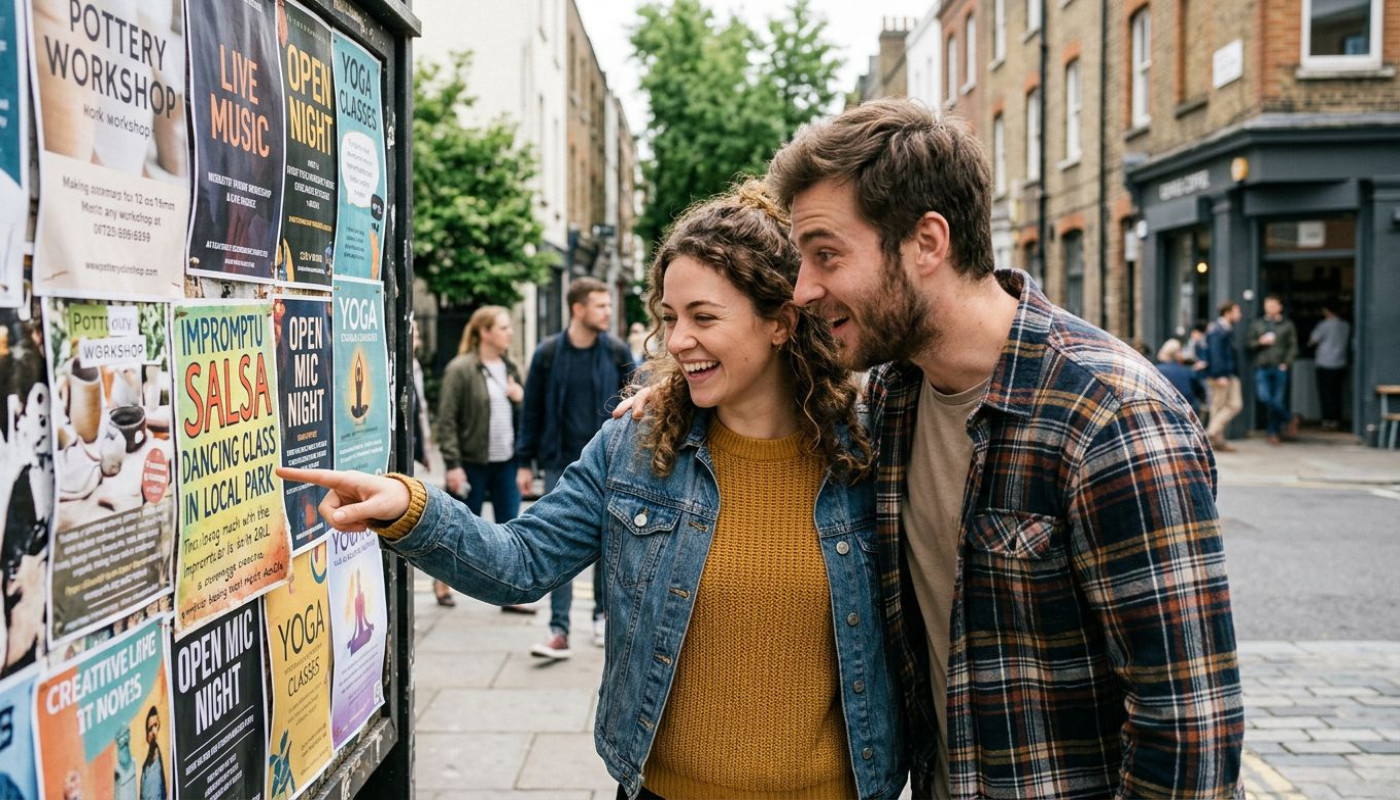
But spontaneity is not automatically synonymous with freedom, because the unplanned choice is still shaped by constraints: price, location, social comfort, and the algorithms serving suggestions. If you decide at 6 p.m. that you want “something different,” you are more likely to pick what is nearby, affordable, and available immediately, and that can narrow exploration to familiar neighborhoods and mainstream offerings. It is not that spontaneity blocks discovery; it is that it often changes the definition of “new,” shifting it toward activities adjacent to what you already do. A person who usually meets friends for drinks may “spontaneously” try a different bar, while the leap into a completely unfamiliar world, say, a dance class in a community hall or a niche cultural workshop, may still require a bit of forethought.
There is, however, a real upside for discovery: spontaneous decisions can short-circuit fear of judgment. Many people hesitate to try an activity because they imagine not fitting in, not being good enough, or not knowing the etiquette. When an invitation arrives with little time to overthink, the social cost can feel lower, and the story you tell yourself shifts from “I chose this” to “It just happened,” which can be psychologically easier. That mechanism matters in adult life, where routines harden and new hobbies can feel strangely high-stakes.
The hidden trade-off is that spontaneity can also lead to shallow sampling: you try many things once, but build nothing. Discovery is not only the moment you attend; it is whether the activity becomes part of your life, whether you return, meet people, and develop skill. Unplanned choices are powerful for the first step, yet they can struggle with the second, unless you deliberately create a path from impulse to habit.
What data says about trying something new
Novelty is measurable, and so is the way people chase it. Time-use research consistently shows that leisure is often fragmented into short windows, especially for working-age adults, and that fragmentation favors activities that can be started quickly, paused easily, and repeated without preparation. That structure helps explain why “spontaneous” entertainment often clusters around food, drink, and easily accessible cultural options, because the barrier to entry is low, the social script is familiar, and the risk of a wasted evening feels small.
At the same time, leisure spending has increasingly tilted toward experiences, particularly among younger adults in major cities, even as inflation squeezes discretionary budgets. When money is tight, people tend to become more selective, yet they also seek higher perceived value from each outing, which can make “new activity” discovery feel worth the gamble. The result is a paradox: less financial slack, but more demand that each plan delivers a memorable payoff. Spontaneity, in that environment, becomes a strategy to seize a good opportunity, for example a last-minute ticket release, a friend’s sudden availability, or an off-peak deal, rather than a purely carefree impulse.
Digital platforms amplify this behavior through real-time scarcity cues, “only a few spots left,” “starting soon,” and “trending tonight,” which prompt quick decisions. This can broaden discovery by surfacing niche events you would not have searched for, and it can also narrow it by funneling attention to what platforms prioritize. In practice, the biggest determinant is not whether you plan or not, but whether you regularly encounter diverse options. People with varied social circles, mixed neighborhoods, and broader online feeds are more likely to stumble into something genuinely different, while those in tighter loops often “discover” variations of the same theme.
One useful way to think about the data is to separate exploration from exploitation, a classic idea in decision science. Exploration is trying unfamiliar options; exploitation is returning to what you know works. Spontaneity can boost exploration, but only when the environment offers meaningful variety, and when the cost of failure, in time, money, and embarrassment, is manageable. If the penalty is high, spontaneity tends to become conservative, because the “safe” option is the one you can execute quickly without surprises.
How cities and culture reward last-minute curiosity
Spontaneity thrives where the street is a program. In dense cities, the sheer proximity of venues, classes, galleries, markets, and community spaces reduces the planning burden, and makes it realistic to decide late and still do something interesting. Public transport frequency, walkability, and late-night economies all matter here, because they determine whether a spontaneous plan remains fun or turns into logistical stress. A city that supports casual discovery, with clear listings, reliable mobility, and safe public spaces, effectively turns curiosity into a habit.
Cultural confidence is another ingredient, and it is often underestimated. People are more willing to try a new activity at short notice when they feel they will understand the norms, how long it lasts, what to wear, whether they need to book, and whether showing up alone is acceptable. That is why well-designed event pages, clear signposting, and welcoming hosts can have an outsized impact on spontaneous participation. The more the practical unknowns are removed, the more spontaneity becomes a gateway to the unusual rather than a retreat to the obvious.
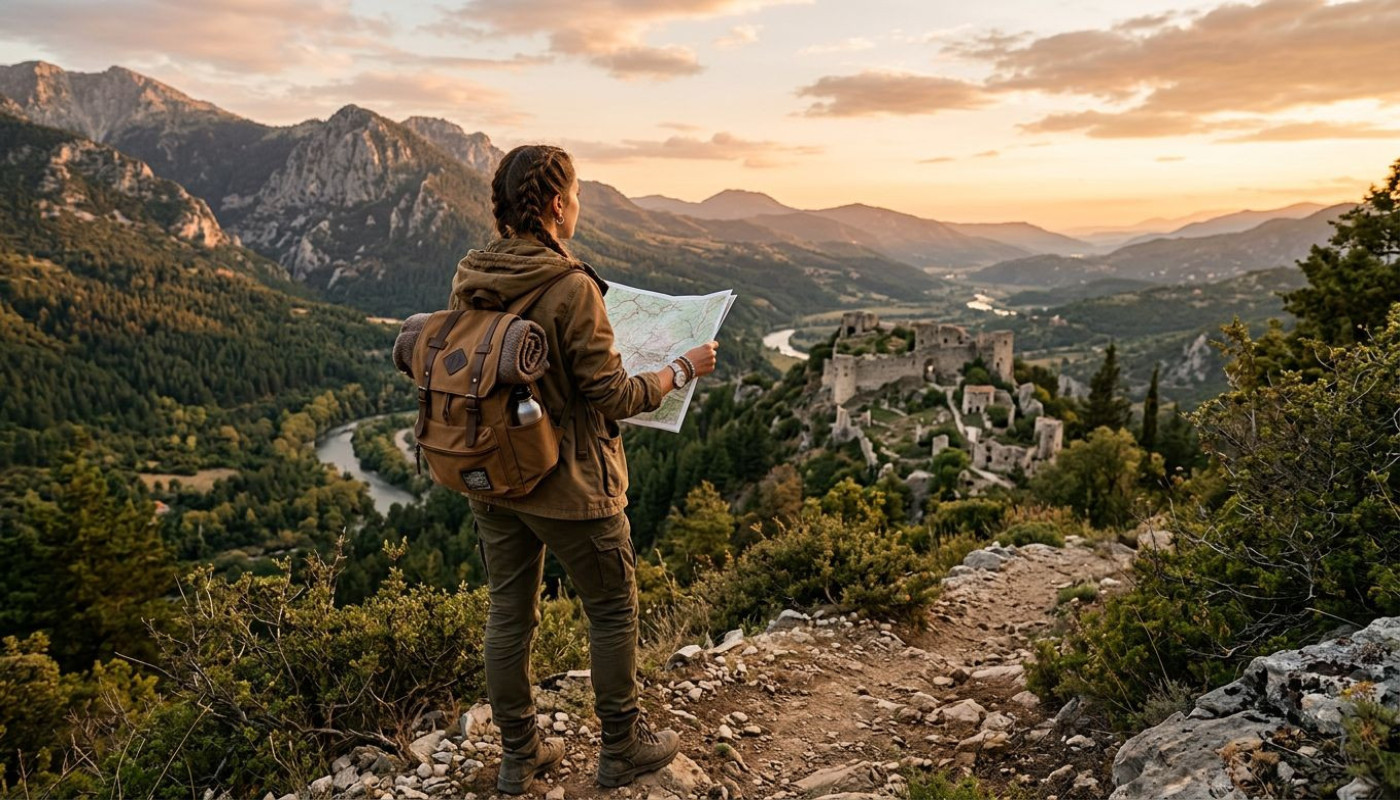
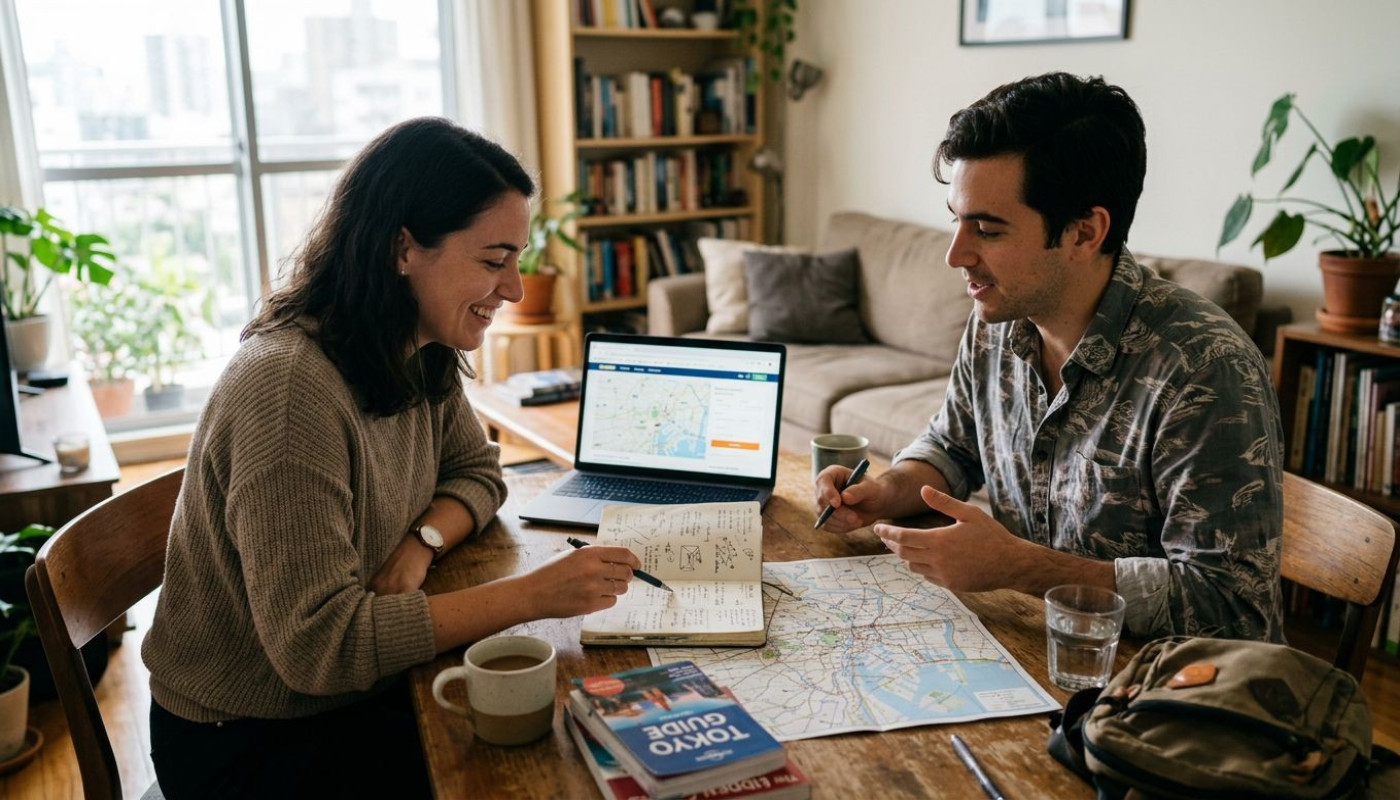
Travel provides a striking case study. Many travelers now build itineraries with deliberate blank spaces, not because they do not care, but because they want room for serendipity, the street performance they did not expect, the neighborhood festival, the café recommended by a local. Yet even “unplanned” travel discovery often rests on infrastructure: local guides, curated listings, and communities that translate a place’s options into something legible for newcomers. In cities where culture can feel intimidating from the outside, the bridge between curiosity and action is information.
That is where resources that assemble experiences and context can help people move from vague interest to an actual evening out. For those looking to discover activities with a strong cultural angle, including workshops, local events, and ways to experience a city beyond the obvious checklist, https://www.seoul-spirit.com/ is one example of a hub that can turn “we should do something different” into a concrete plan, even when the decision is made late and attention spans are short. The point is not to eliminate spontaneity, but to give it a runway, so that last-minute curiosity leads somewhere richer than the nearest default option.
Turning a one-off impulse into a real hobby
The first try is easy; the second is the challenge. Many activities feel exciting once, then disappear into the archive of “things I did that one time,” and the difference between a fleeting experience and a lasting discovery often comes down to what happens immediately after. If spontaneity is your entry point, you need a simple mechanism to convert it into follow-through, otherwise novelty becomes a carousel. The good news is that habit-building does not require a strict schedule; it requires a small commitment and a low-friction next step.
Start with a practical debrief while the memory is fresh: what did you enjoy, what felt awkward, what would make it easier next time? Then make one concrete move within 24 hours, such as saving the venue, following the organizer, messaging the friend you went with, or booking the next session if it exists. This is not about turning leisure into homework; it is about capturing the momentum that spontaneity creates. In behavioral terms, you are using the peak of motivation to reduce future barriers, so that the next decision does not have to be spontaneous to happen.
Budget matters, and it can quietly sabotage discovery if you ignore it. Spontaneous nights out can add up, especially in big cities where tickets, transport, and food inflate the true cost, and financial regret is a reliable way to stop trying new things. A smarter approach is to set a monthly “exploration” envelope, small but protected, and treat it as permission to say yes without guilt. That transforms spontaneity from reckless spending into planned flexibility, and it can actually increase your willingness to try unfamiliar activities because you have already decided what you can afford.
Finally, consider the social architecture. People are more likely to return to an activity when it comes with a sense of belonging, and belonging is rarely instantaneous. If you went with friends, suggest a repeat date before life fills the calendar, and if you went alone, look for the small signals of community, a regular class time, a welcoming group chat, a volunteer shift, a recurring event. Spontaneity can open the door, but community is what keeps you inside long enough for the new activity to become part of who you are.
One practical way to keep it affordable
Spontaneity works best with a plan, just not a rigid one. Reserve early when demand is predictable, keep a modest “discovery” budget, and watch for off-peak pricing or bundle deals; in some cities, local programs and cultural institutions also offer reduced tickets for students, young people, or low-income residents.
Similar

Why Do Lesser-known Destinations Make Unforgettable Journeys?
Packing Light, Traveling Smart: Underrated Tools Every Explorer Should Use
Are Spontaneous Excursions The Secret To Authentic Experiences?
How Do Hidden Villages Shape Unforgettable Travel Itineraries?
Unexpected Connections: Destinations That Inspire Curious Explorers

Beyond The Bucket List: Crafting A Personal Circuit With Local Gems
Unpacking The Invisible: Overlooked Tips Every Itinerary Should Include
